Wire drawing blocks, since 1952.
The industry we were founded to serve. Wire drawing block hardsurfacing, wire drawing rings, and the Restore & Grind cycle — refined every year since 1952.
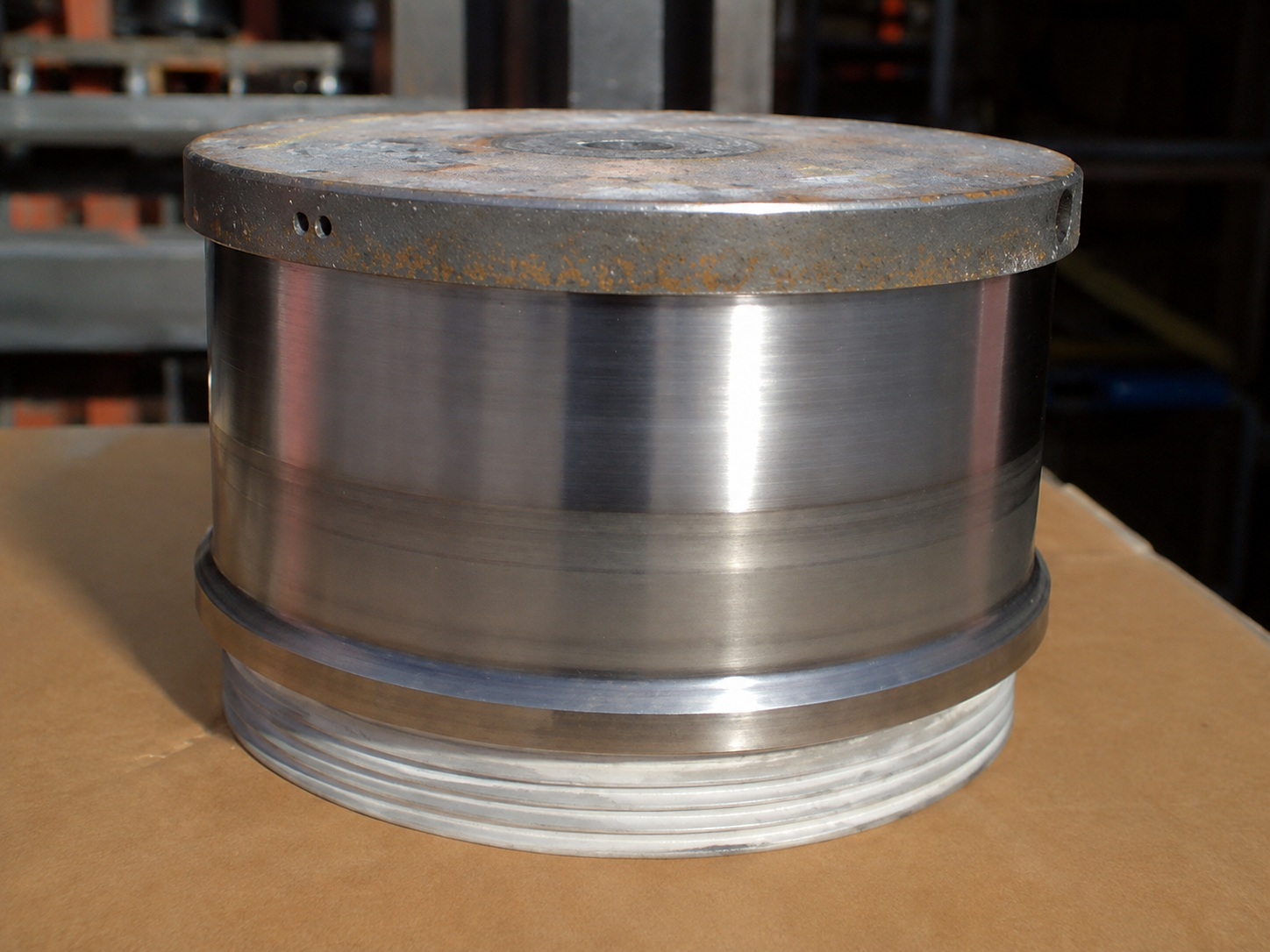
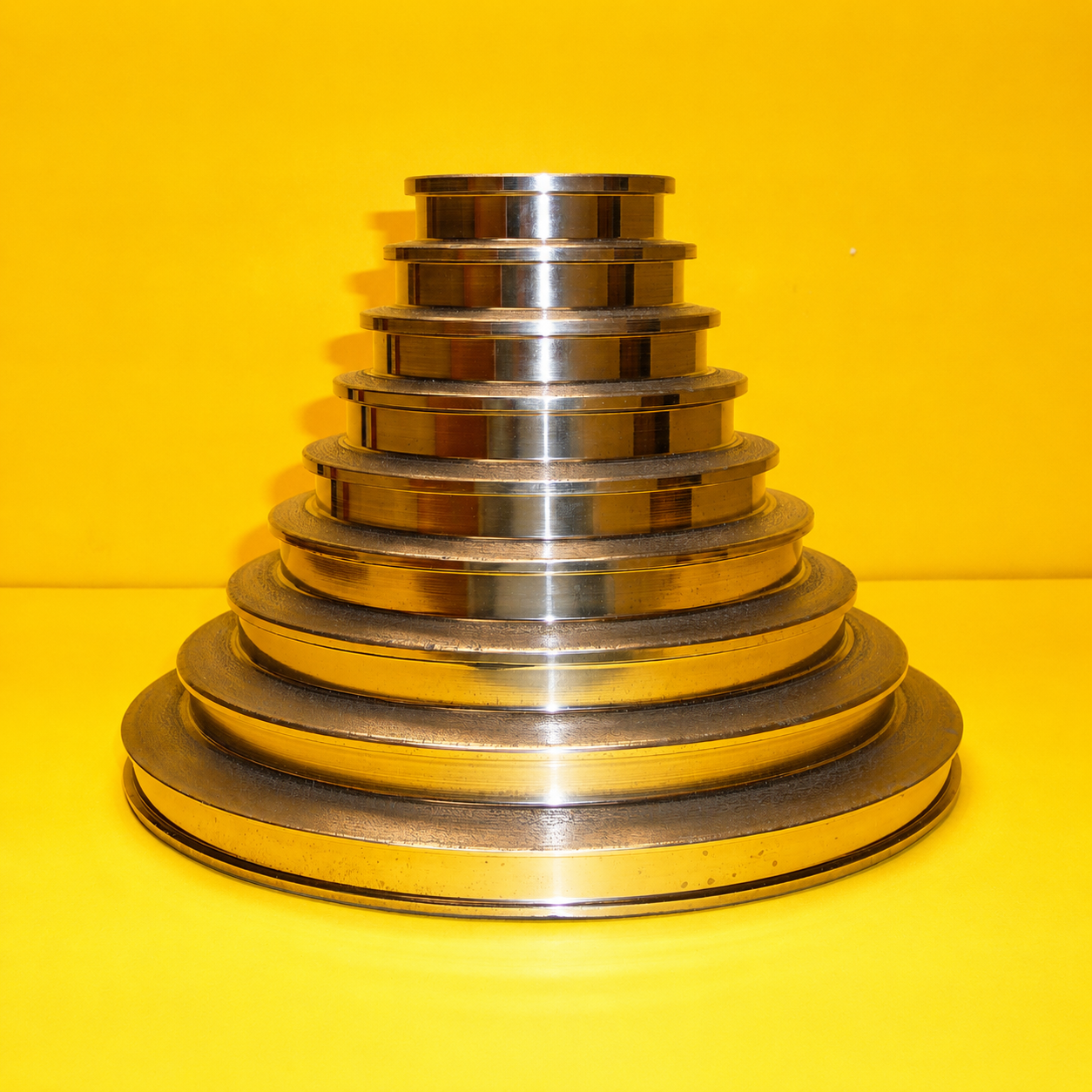
The wire drawing block is the part we have refined the process on the longest.
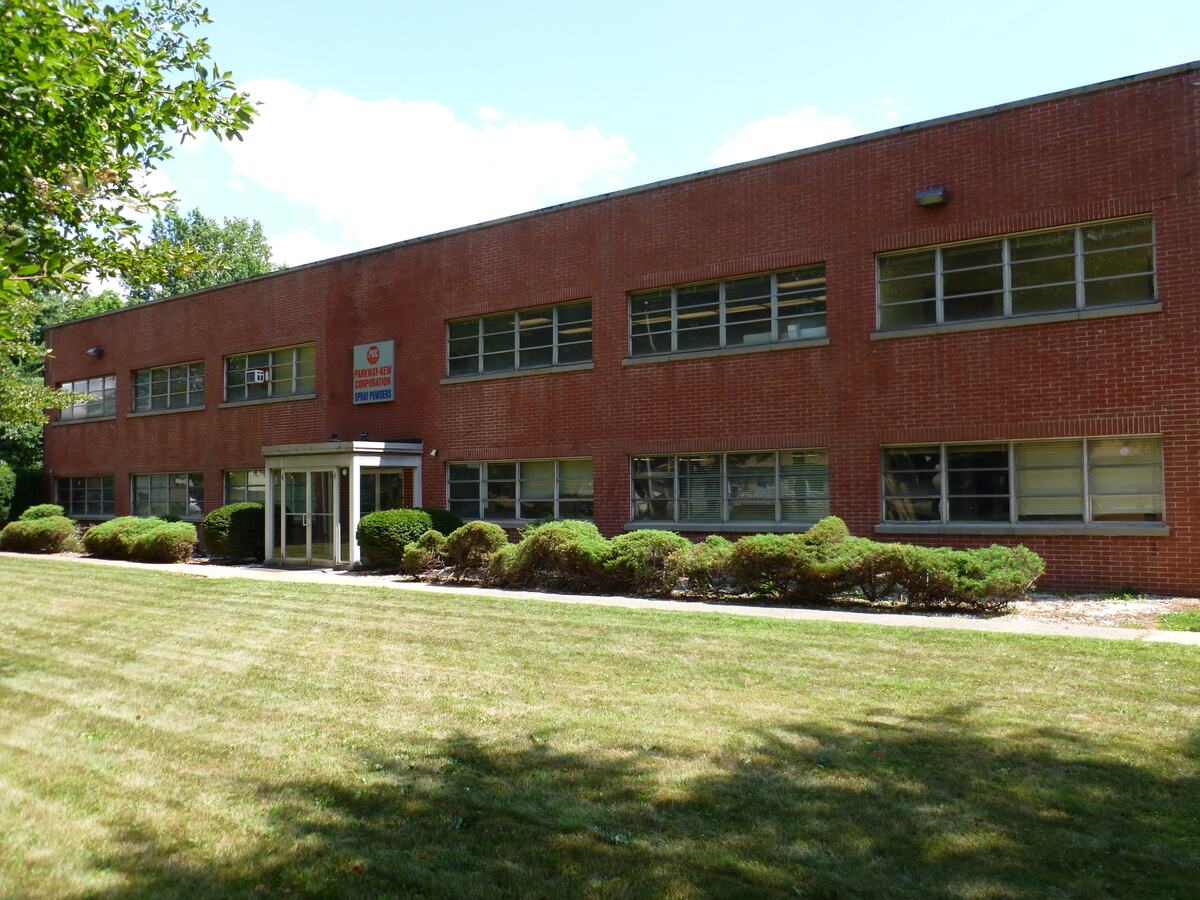
Parkway-Kew was founded in 1952 to rebuild worn wire drawing blocks. The first big order was 100 26-inch Vaughn blocks for CF&I in Roebling, New Jersey. Every capability the shop has developed since — submerged-arc hardsurfacing in the 1950s, metallizing in the 1980s, HVOF coating in 1989, the proprietary Restore & Grind repair cycle — traces back to that original problem.
Today the wire & cable customers are around the world. The processes are more refined, the alloys are more specialised, and the Restore & Grind cycle lets a coated block stay in service for years. But the part is the same, the wear duty is the same, and the engineering standard is the same.
- Wire drawing block hardsurfacing (submerged-arc, fuse, HVOF)
- Restore & Grind cycle — 5 to 7 repairs before recoat
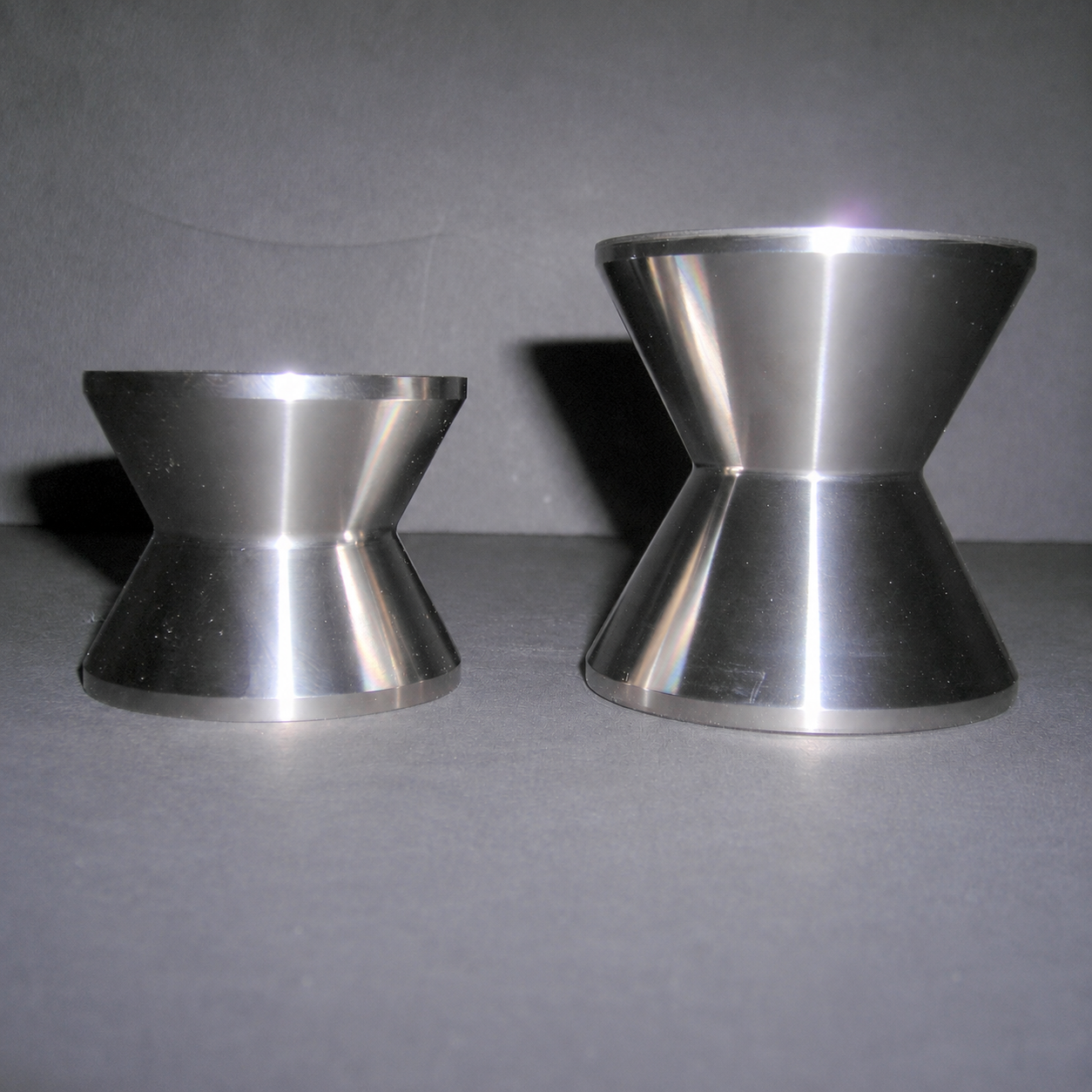
- Manufactured wire drawing rings
- Serving wire & cable manufacturers worldwide
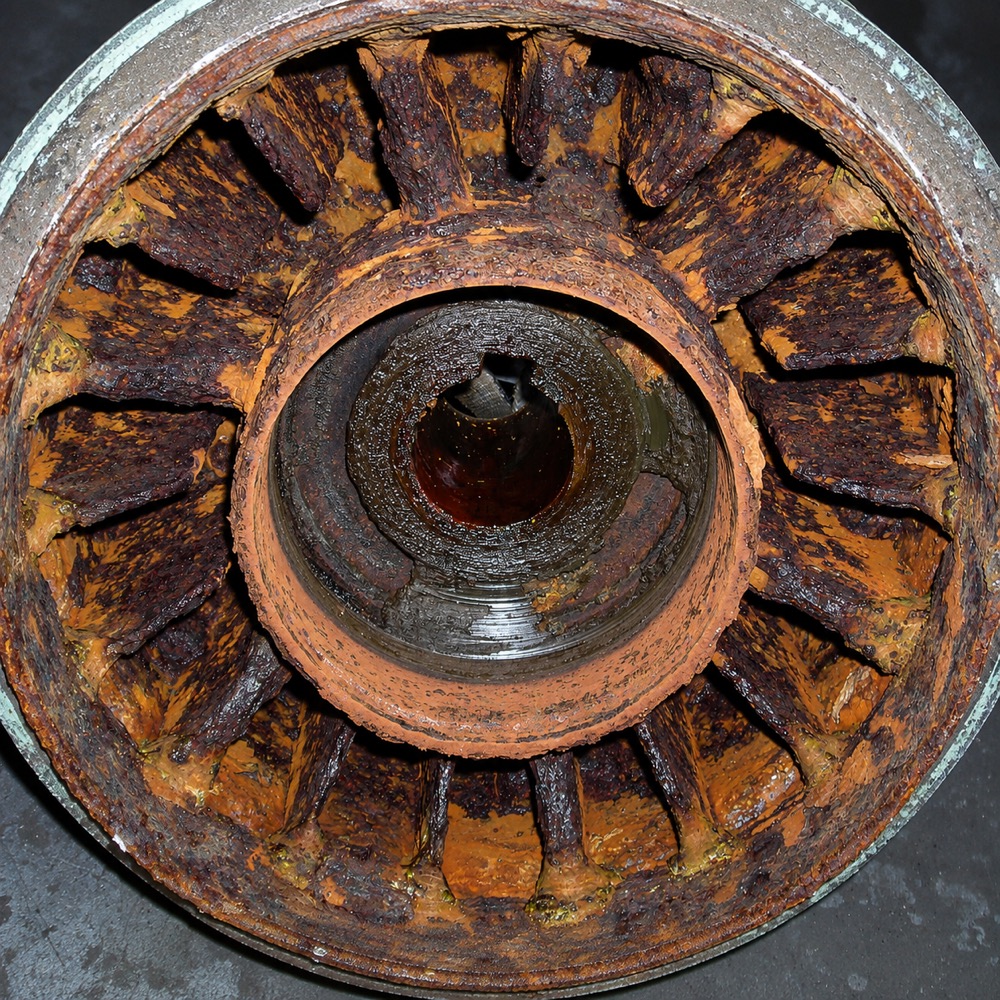
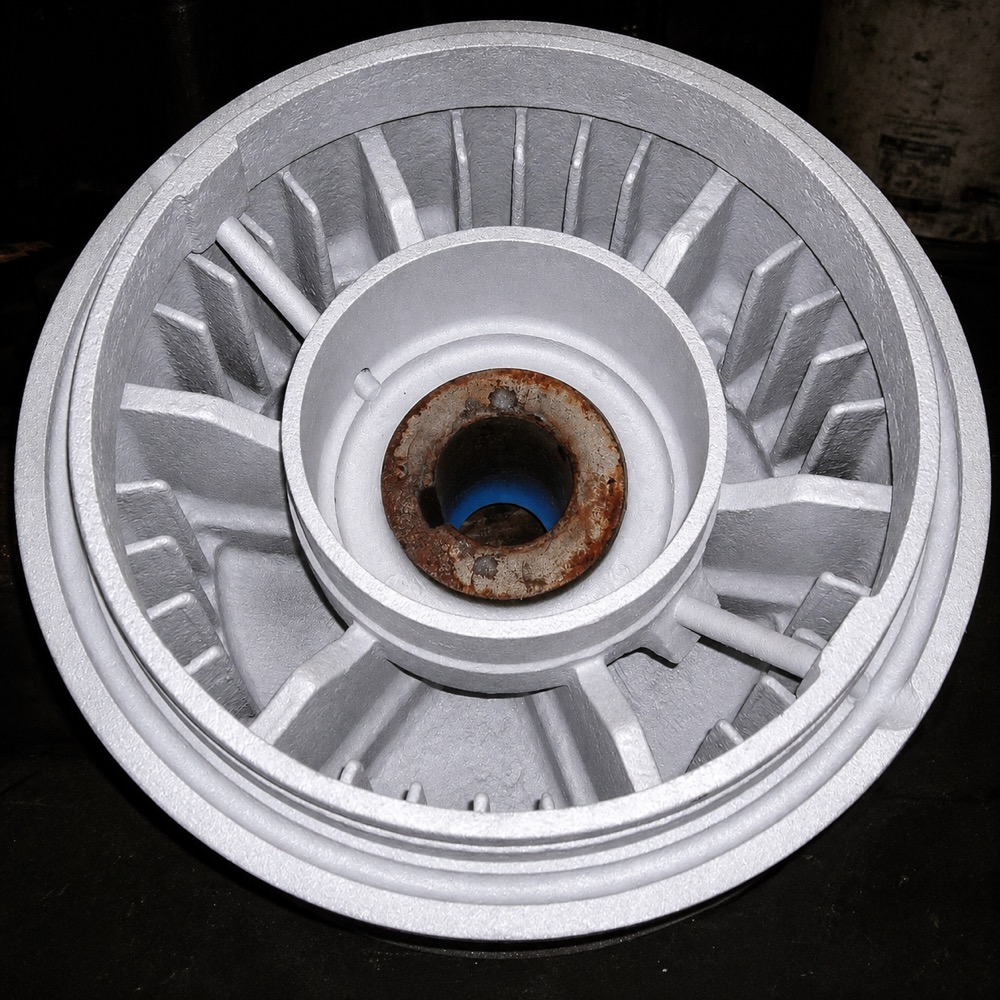
Water-cooled blocks corrode from the inside out.
A water-cooled block can look serviceable on the working face while its cooling passages fill with rust and scale. That corrosion insulates the casting from its own coolant, so the block runs hotter than it should, and it keeps advancing whether or not the outside is rebuilt.
GBA treats the side of the part the wear coatings never touch. Grit blasting strips the corrosion out of the interior and takes the cavity back to clean base metal. Aluminizing then lays a sprayed aluminium layer over that cleaned surface, putting a barrier between the water and the casting so corrosion does not simply return.
- Grit blast the interior back to clean base metal
- Aluminize the cleaned surface as a corrosion barrier
- Restores heat transfer lost to rust and scale
- Pairs with hardsurfacing on the working face
Send us your part.
Drawings, dimensions, or just a description. Our engineering team will recommend the alloy and process that fit the wear pattern.
Inquiry received.
Thanks. Our engineering team will reach out within one business day.